for photography comes from the French photographie, based on the Greek for light and stylus or brush or Graphe (view with lines or drawings), basically means "drawing with light". With this in mind the landscape photography is a combination of drawings of light across the country. Light in particular, in my opinion, what the landscape is all about, the light is what makes the scene, turning it during the day. ability to consider the light first and foremost is what sets one apart from other photographers.
There is no such thing as bad light, and we can take our pictures in almost any light, but the intensity, direction and color of light will have a huge impact on how it looks in the scene before us. We can find an amazing place, but I know we'll have to come back another time to ensure the direction of the light is just how we wanted it to be, it can be a different time of day or different times of the year.
While the day has a significant impact on the quality of light that time of year, the position of the sun is significantly higher in summer than in winter at the same time of day. For example, if you want a light on the part of a landscape scene can only be able to shoot at a certain time of year.
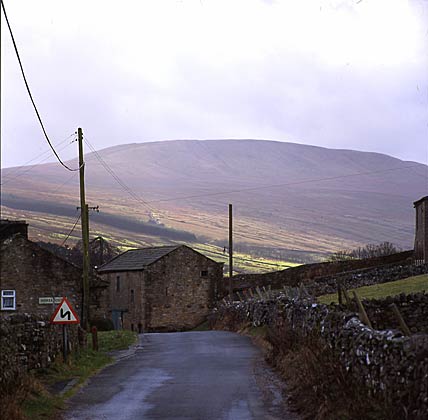
There is no such thing as bad light for landscape photography, has just changing light and our ability to make the most of it. Dark, heavy clouds may not be everyone's idea of a perfect day, but for the landscape photographer can be perfect, providing mood and drama.
The light can change very quickly, the scene in front of us is literally changing before our eyes. Sometimes the changes are very subtle, and sometimes can be dramatic. With a strong lineup is often better to wait and see what happens. Being in the right place at the right time, not just about luck, keep an eye on the weather forecast a day or two before the scheduled photoshoot to see what will unfold.
Even at the time of flat un-directional lighting that is less than ideal for the Grand Scenic should not despair, we can concentrate on the inner landscapes, those small details in the great outdoors that are often overlooked. This type of lighting is perfect for these details, eliminating harsh shadows by the intricacies and fine details can be recorded.
Time will always affect the quality of light, dark, dark or bright and cheerful we should try and see the potential for any occasion. Rainy days can be interesting as changes occur constantly with the possibility of the rainbow. So as photographers we should be very aware of the changes of light, be alert to possible changes, when in the field. Look forward to a break in the cloud that can provide a shaft of light and be ready for it.


0Awesome Comments!